Planning a One-Day Family Function in a Rented Hall: Timelines from Check‑In to Check‑Out
Practical, hour-by-hour guidance for organizing a single-day family event in a rented hall — from vendor arrival and guest seating to meals, room use, and smooth vacating — using realistic details based on typical hall facilities and guest feedback.
Why a clear timeline matters
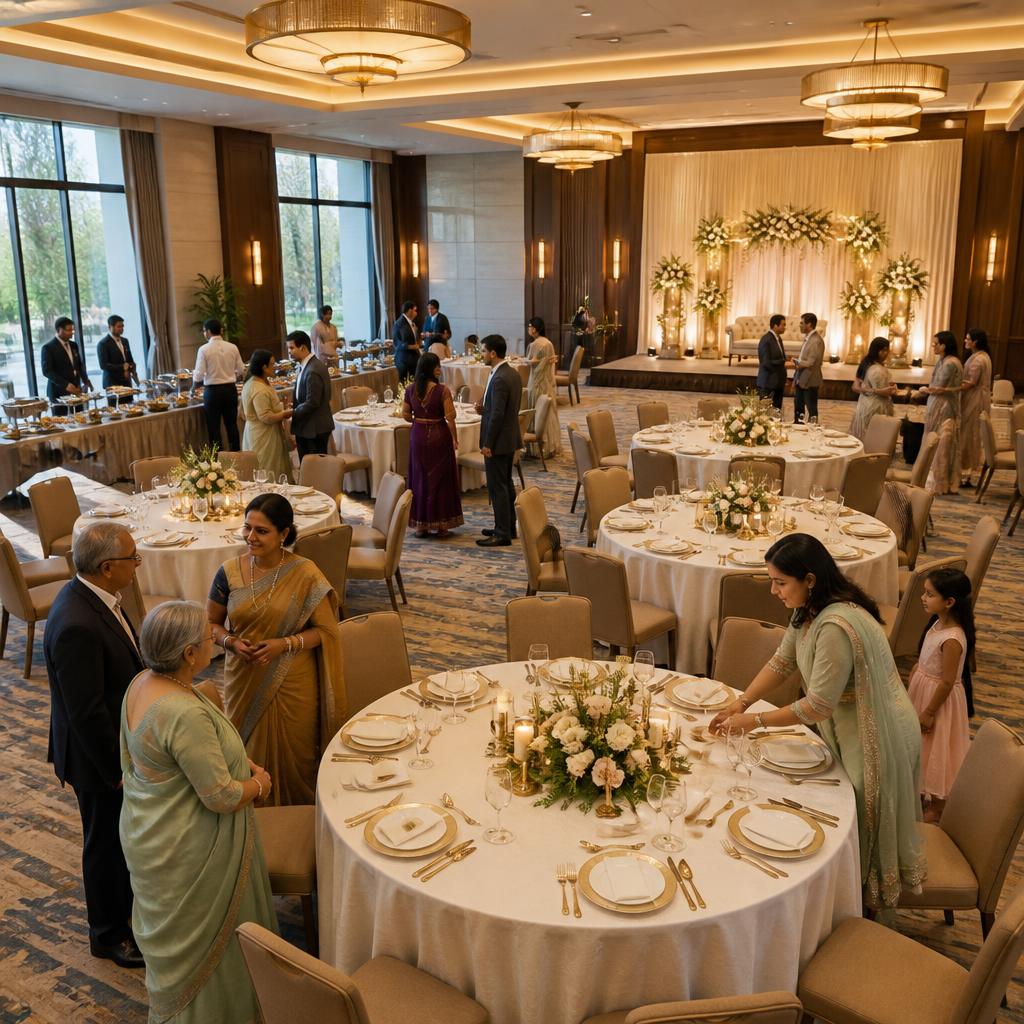
A single-day family function runs smoothly when everyone — hosts, vendors, hall staff and guests — knows what to expect and when. A well-planned timeline reduces last-minute stress, helps the management coordinate facilities such as the AC hall, dining area, kitchen and guest rooms, and minimizes overlap between setup, the ceremony, meal service and cleanup. This article gives practical, realistic scheduling advice tailored for medium-size halls with features like lift access, on-site rooms and a dining hall.
Confirm logistics before the event day
At least one week before the function confirm access windows with the hall manager, vendor arrival times, room allocations and any kitchen or equipment needs. Verify how long you may access the hall for setup and how long you may remain after the event for packing and cleanup. If the venue offers on‑site rooms and a dining hall, confirm when those spaces will be available for changing, rest and staged dining. Also confirm parking arrangements and whether the hall provides valet or covered parking; several guests report helpful parking support but some note limited on‑street car parking, so early clarification is important.
Typical morning: check‑in and vendor setup
Plan vendor and decorator arrival at least three to four hours before your scheduled guest arrival. This allows time to set up the mandap, sound system and stage decorations without interrupting late arrivals. Coordinate a single point of contact — ideally the hall manager or a designated staff member — to grant access to the kitchen, storage rooms and lift. If you expect caterers to use the venue kitchen or dining hall, give them a clear window (for example, 4–2 hours before guests) to prepare plates and service lines.
Guest arrival and ceremony timing
Open guest arrival for a 45–60 minute window rather than a strict start time to absorb small delays. For a ceremony followed by a reception, schedule the ritual or program during the first 60–90 minutes of that window, then allow a short buffer so late guests can be seated before the meal. If the hall seats roughly 150–225 guests, plan seating and any reserved areas in advance so ushers and staff can place chairs quickly and minimize congestion at entries and the lift.
Meal service and dining rotation
If the venue has a separate dining hall with capacity limits, organize meal rotations — for example, three seating waves of 30–60 minutes — to avoid long queues and to keep the main hall flow steady. Confirm whether the dining area supports simultaneous buffet lines and whether the hall provides serving staff or only space and equipment. Communicate start times to the caterer and the hall team so the AC and ventilation are adjusted in time and dining areas are staffed and cleaned between seatings.
Rooms, accessibility and parking considerations
If you plan to use on-site rooms for dressing or hosting close family, assign rooms and provide keys or locks in advance. Use the venue’s lift and any wheelchair or senior-friendly arrangements for elder guests; reviewers frequently note that lift access and room cleanliness make entry easier for older attendees. For parking, make guests aware of limited car parking on narrow roads near some halls; suggest carpooling or nearby paid lots where appropriate and coordinate any valet support with the management ahead of time.
Cleanup, check‑out and handover
Reserve a clear post-event window for cleanup when you book the hall — at least 30–60 minutes beyond the last planned activity is prudent for a medium-size function. Confirm whether housekeeping staff will assist with disposing of decor, collecting rented items and restoring tables and chairs, and clarify any rules about locking rooms or storing leftover items overnight. A cooperative manager and staff can greatly simplify vacating; past guests have reported that proactive venue managers helped from booking through checkout, which reduces surprises at the end of the day.
Sample hour-by-hour timeline (typical single‑day event)
Use this sample as a starting point and adapt to your ceremony length and local customs. 07:00–09:00 — Vendor and decorator arrival; kitchen setup. 09:00–10:00 — Final stage, seating and AV checks; hall doors opened for early guests. 10:00–11:00 — Guest arrival window and ritual/program. 11:15–12:30 — First round of meal service (or continuous buffet with staggered seating). 12:30–14:00 — Photos, short speeches and additional rituals; second seating if needed. 14:00–15:00 — Dessert/tea, informal mingling. 15:00–16:00 — Begin orderly vacating, collect rented equipment, final walkthrough with hall staff. Communicate this timeline to your manager and vendors in writing so everyone understands handover responsibilities and the time the venue will be vacated.
Customer review


Article by
Sri Hariharan Marriage Hall Nanganallur
Sri Hariharan Marriage Hall is an air-conditioned wedding hall on MGR Road in Nanganallur, Chennai, hosting weddings, receptions, engagements and family functions since 2011. The hall has lift access, covered car parking and valet parking, and is easy to reach from Nanganallur, Madipakkam, Alandur and the airport. Our team helps families plan every detail so the day runs smoothly. Contact us to check available dates or visit the hall.