Managing Mosquitoes and Comfort in Tropical City Hotels: Practical Tips for Guests in Solapur
Practical, easy-to-follow guidance for travellers staying in Solapur and similar cities on choosing rooms, simple in-room precautions, personal protection, and the helpful requests you can make of hotel staff to reduce mosquito disturbance and stay comfortable.

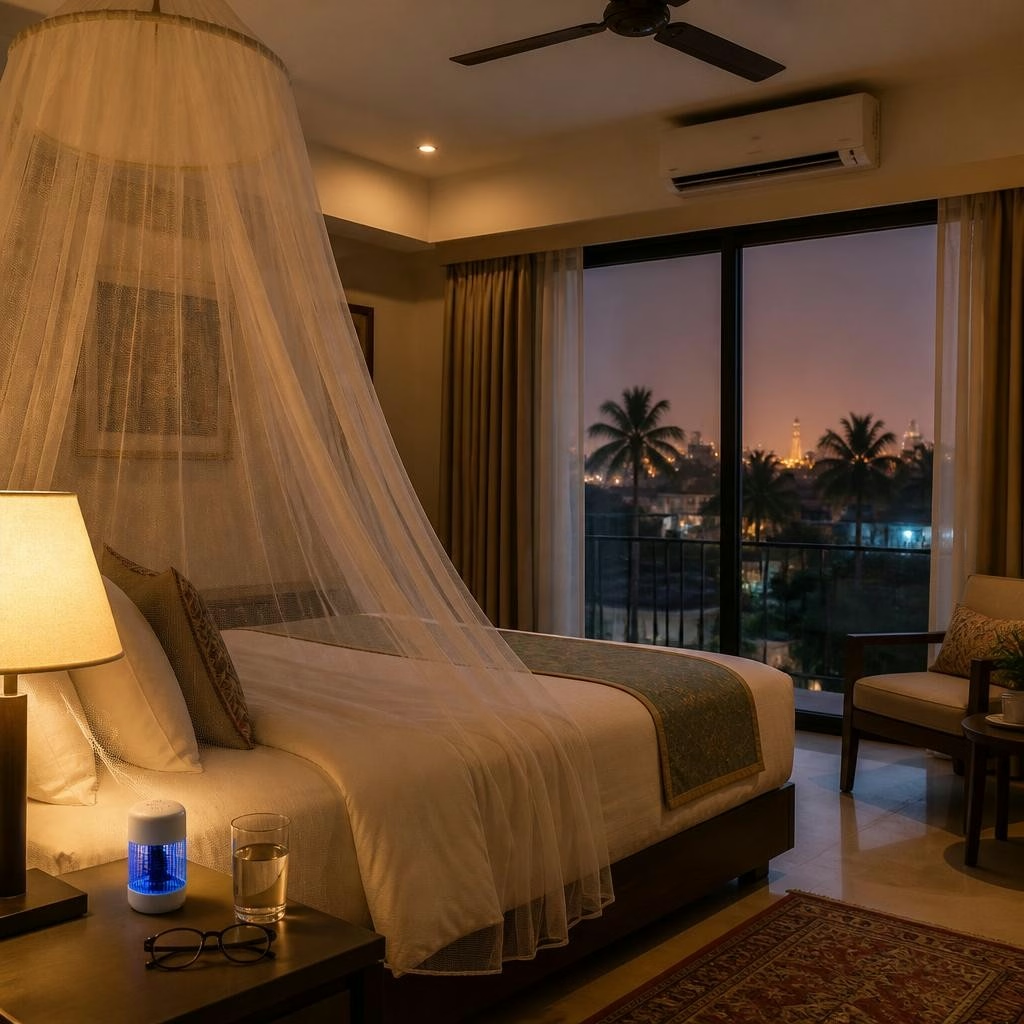
Why mosquito management matters in tropical-city hotels
Mosquitoes are a common nuisance in many warm or tropical cities and can disrupt sleep, meals, and relaxation. For travellers, frequent bites are unpleasant and make a stay feel less comfortable even when other hotel services are good. Addressing mosquito disturbance is often a combination of smart room choices, small in-room adjustments, personal protection, and asking hotel staff for simple interventions.
Start with room selection: location and features to prefer
When you book, request a room that reduces exposure to insects: higher floors usually have fewer mosquitoes than ground-floor rooms, and rooms without direct access to green courtyards or stagnant water sources tend to be quieter. Ask for a room with a well-sealed window and a fully functional air conditioner — running AC keeps rooms cooler and reduces insect activity. If you have mobility or accessibility needs, let the front desk know so they can recommend an appropriate quieter room.
Simple in-room precautions to lower mosquito activity
Small adjustments can make a big difference once you’re inside. Keep windows and balcony doors closed or use screens where available; close curtains early in the evening; remove or store any standing water from bottles or bathroom trays; and ensure bathroom drains are not pooling. If you notice an open window screen or light gaps, report it to the front desk so maintenance can secure the room.
Personal protection: repellents, clothing, and sleep aids
Use approved topical repellents containing DEET, picaridin, or other recommended active ingredients, and reapply according to product instructions. Wear long sleeves and light, loose clothing in the evening when mosquitoes are most active. For sleeping, consider treated mosquito nets if available, or lightweight clothing and covered ankles. Portable electric vaporizers or plug-in devices and battery-powered clip-on repellents can be useful for travelers — bring them if you prefer a known brand.
How hotels can help — and what to ask the staff
Good hotels can offer practical help if you raise the issue. Many guests at Hotel Oberon Solapur comment on helpful, polite staff, so it’s reasonable to ask the front desk for assistance. Typical requests include extra room inspection, targeted room spraying, a change of room, providing a mosquito coil or vaporizer, or fixing gaps around windows and doors. Frame your request politely and mention when mosquitoes are most bothersome; staff are often willing to act quickly to improve guest comfort.
Evening areas, restaurants and events: mindful choices
Mosquitoes are often more active outdoors or in open dining areas after sunset. If you plan to dine in the hotel’s veg restaurant or attend an event in a banquet hall, choose indoor seating when possible, and avoid standing water near entrances. If an outdoor setup is unavoidable, ask staff whether they can position you away from landscaped edges or provide fans — air movement reduces mosquito activity. For gatherings, event organizers can often arrange additional measures such as localized fumigation or repellents.
Quick checklist before and during your stay
Before you arrive: request a higher-floor room with sealed windows and a working AC. At check-in: mention any past sensitivity to insect bites and ask what solutions the hotel can provide. In your room: keep doors/windows closed after dark, remove standing water, use a plug-in or personal repellent, and report any structural gaps. If problems persist: politely request a room change or ask staff for remedial action. Following these steps helps preserve the comfort and safety you expect from a hotel stay.
Customer review


Article by